

ADAPPT
  • Home
  • Whats New?
  • Objectives & Activities
  • Pesticidal Plants
    • Plants Database
  • Partners
    • Our Advisors
  • Publications
  • Links
  • Contact Us
  • First International Conference
  • McKnight Foundation Workshop

Plants Database

Several information sources on plants, their taxonomy, distribution, and recorded uses can be found through several existing databases available on the internet. One databases that focus on plants of particular importantance to Africa and the ADAPPT project are managed by the Royal Botanic Gardens, Kew. The Plants of the World database provides mainly taxonomic and distribution information.

The ICRAF Agro-forestTree database also contains relevant information.

The list below is a subset of pesticidal plants that have been the subject of research of ADAPPT partners. Further details about each plant can be found by clicking on the highlighted Latin names of the plant species listed.
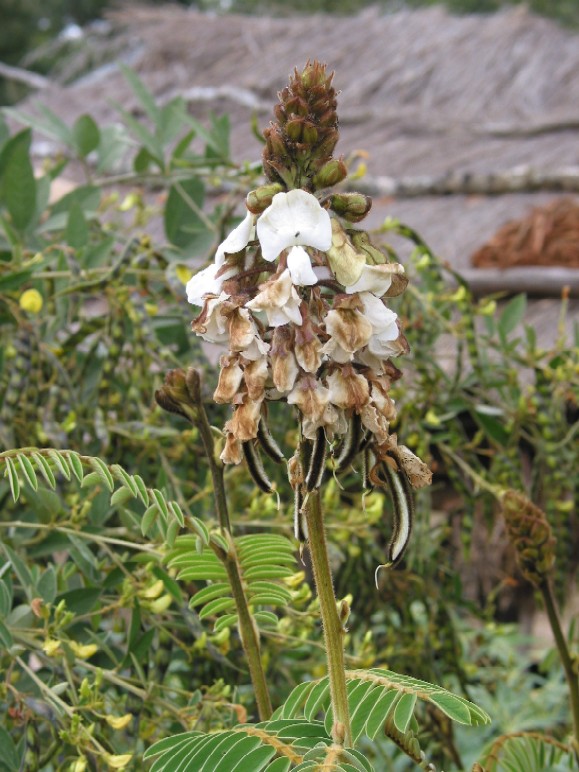
Tephrosia vogelii plant with white flowers and brown leaves.

Tephrosia vogelii

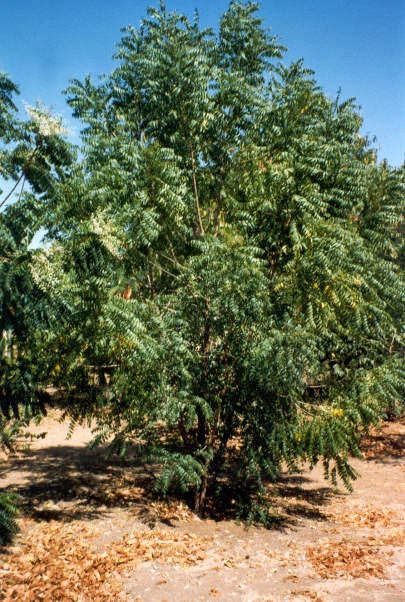
Azadiracta Indica tree with lush foliage and branches in soil.

Azadirachta Indica (Neem)

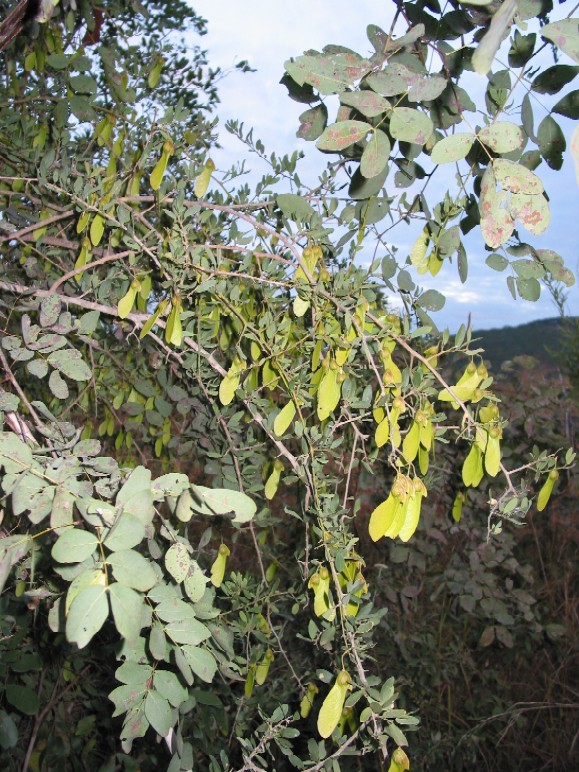
Tree with green leaves and yellow seed pods.

Securidaca longepedunculata

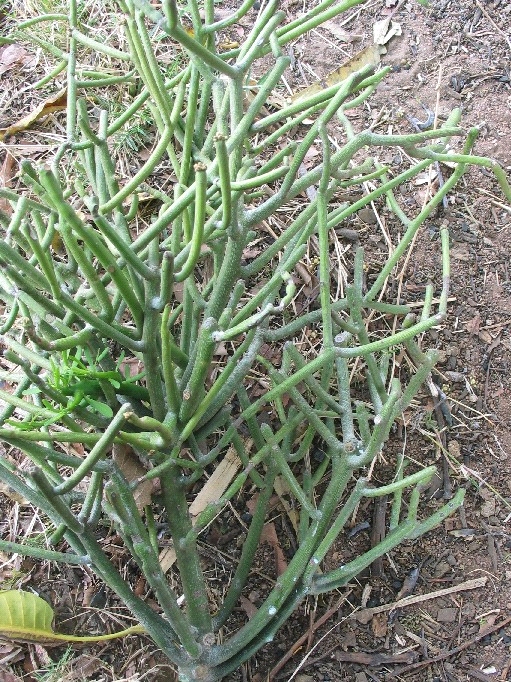
A Euphorbia tirucalli plant, commonly known as Pencil Cactus, with numerous slender, green, pencil-like branches radiating from a central point close to the ground, growing in a natural outdoor setting with visible soil and a few scattered dry leaves.

Euphorbia tirucalli

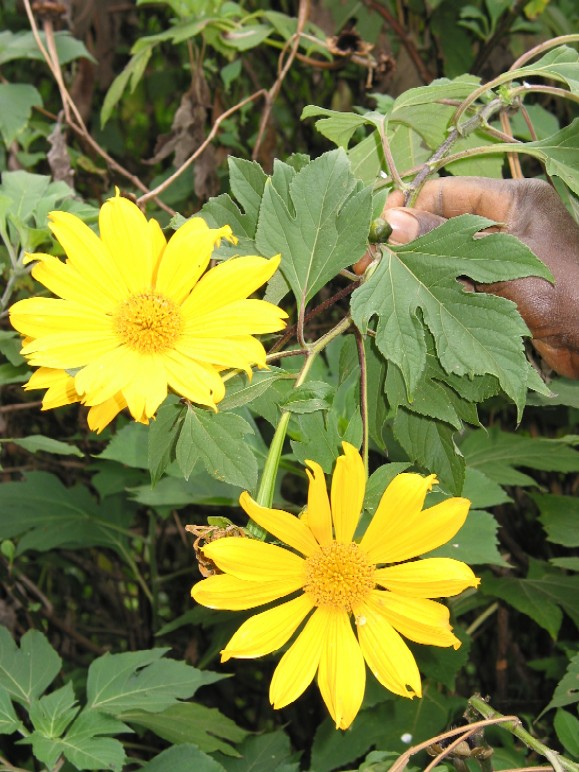
Bright yellow Tithonia diversifolia flowers, also known as Mexican Sunflower, in bloom, with a person's hand gently holding one of the stems, showcasing the vibrant petals and large central disc against a backdrop of green foliage.

Tithonia diversifolia (Mexican sunflower)

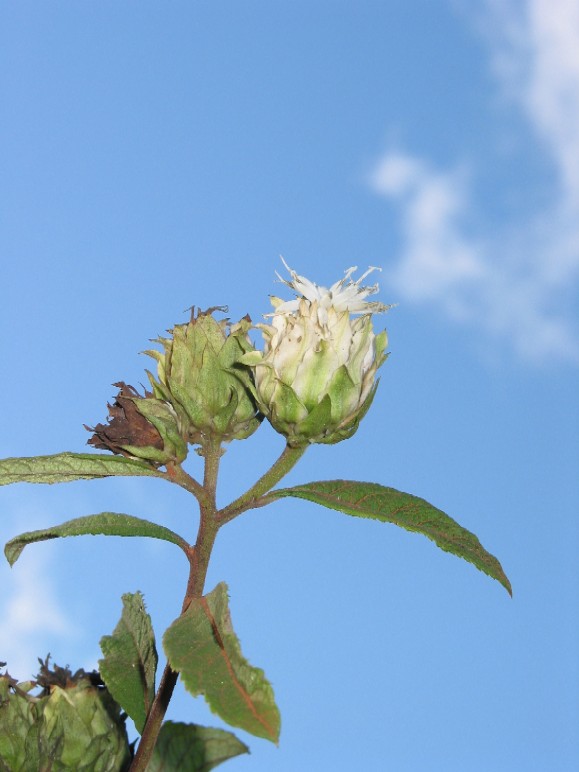
The flower buds of Vernonia adoensis, captured against a clear blue sky with a few wispy clouds, with the buds exhibiting their distinct spiky white florets surrounded by green sepals."

Vernonia amygdalina

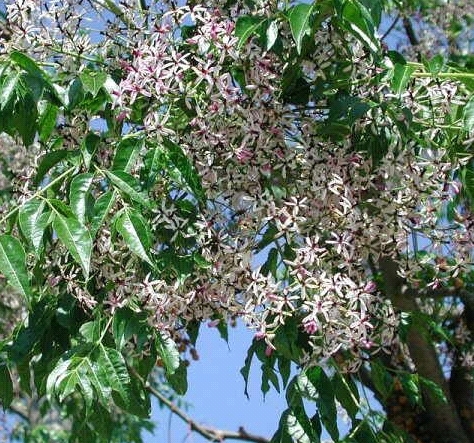
The image displays a Melia azedarach tree branch, known as Persian lilac, with pale mauve, five-petaled flowers and glossy, serrated leaves.

Melia azedarach (Persian lilac)

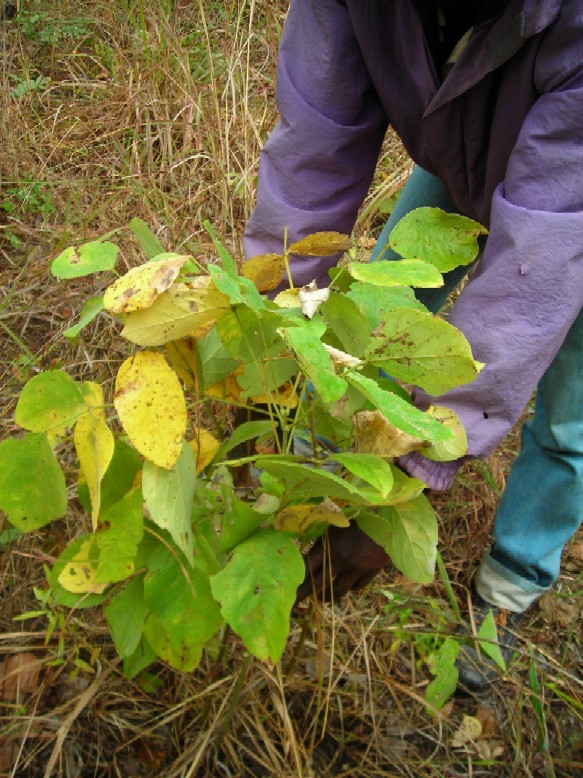
a person handling a dolichos kilimandschuricus plant with heart-shaped leaves transitioning from green to yellow, indicative of a natural outdoor setting.

Dolichos kilimandscharicus

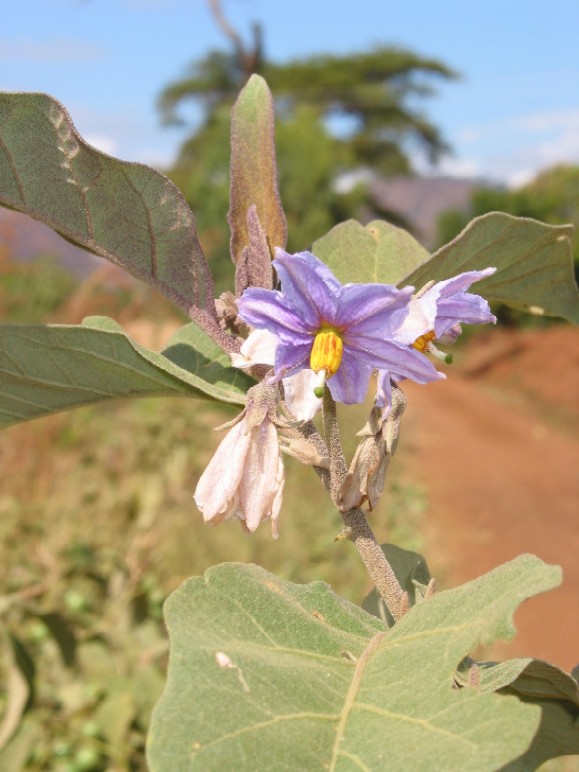
a Solanum panduriformis plant, distinguished by its prominent purple flowers with bright yellow anthers. The leaves are broad and have a fuzzy texture, typical of the Solanum family.

Solanum panduriforme

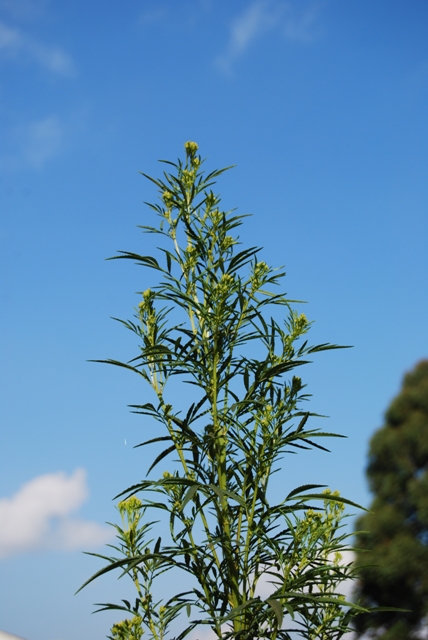
Tagetes minuta, known as wild marigold or Mexican marigold, which features slender, green leaves and small, yellow budding flowers at the tip, set against a clear blue sky.

Tagetes minuta (marigold)

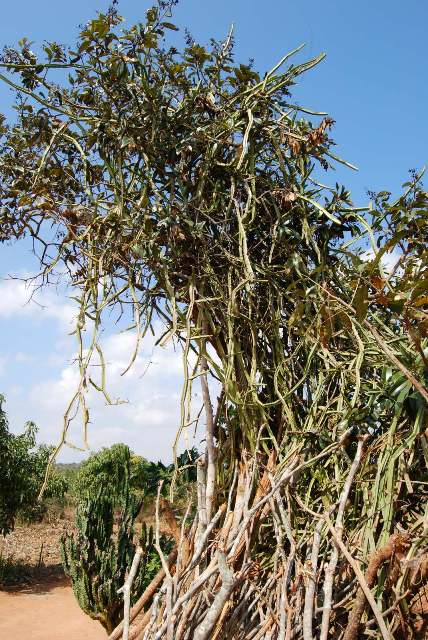
Cissus quadrangularis, commonly known as Veld Grape or Devil's Backbone. It's a perennial plant of the grape family, notable for its quadrangular-sectioned branches and tendrils

Cissus quadrangularis

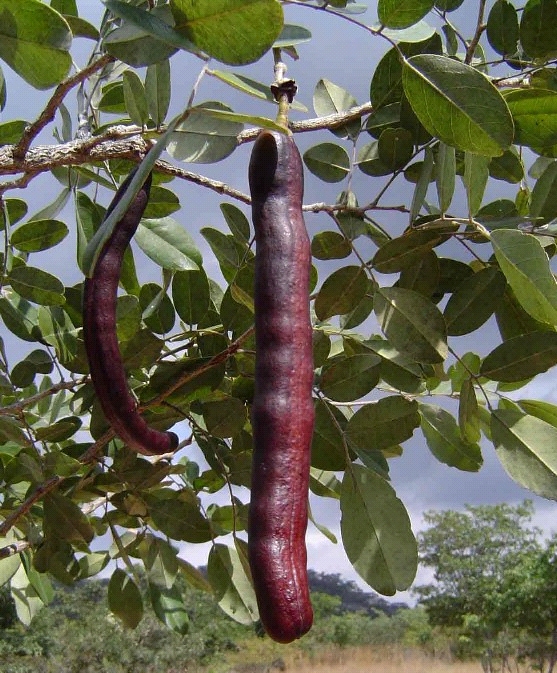
Bobgunnia madagascariensis, commonly known as Madagascar bean or Swartzia madagascariensis. Notable for its large, dark purple to almost black seed pods hanging amongst green leafy branches

Bobgunnia madagascariensis

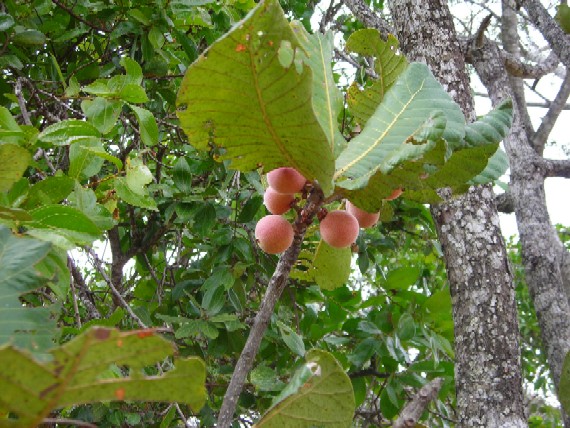
Uapaca kirkiana, commonly known as Wild Loquat or Masuku. It's a fruit-bearing tree native to southern Africa, known for its round, velvety fruits that turn yellow-brown when ripe.

Uapaca kirkiana

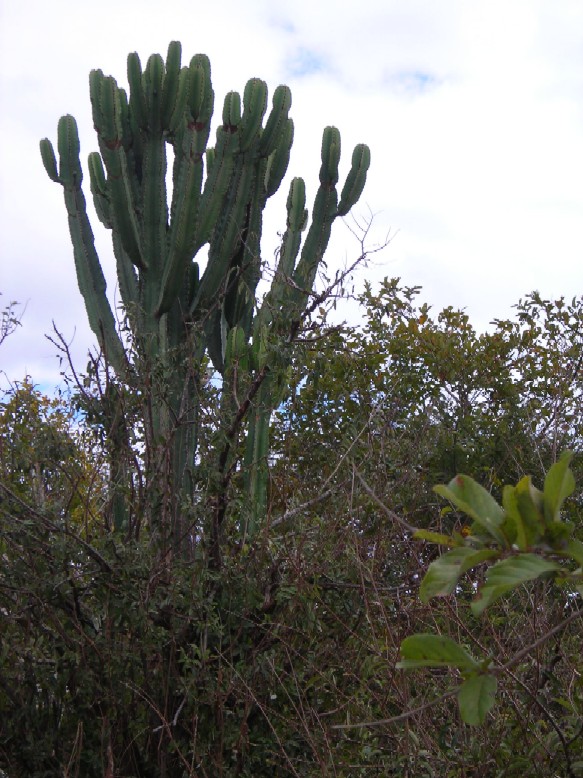
Euphorbia candelabrum, a cactus-like plant native to East Africa, known for its tall, upright, and branching structure. It is a succulent with a green, waxy surface, often resembling a candelabrum, which is where its name derives from

Euphorbia candelabrum